Mitsubishi SUVs vs Subaru for Snowbelt Commutes and Weekend Getaways near Lowell, MA
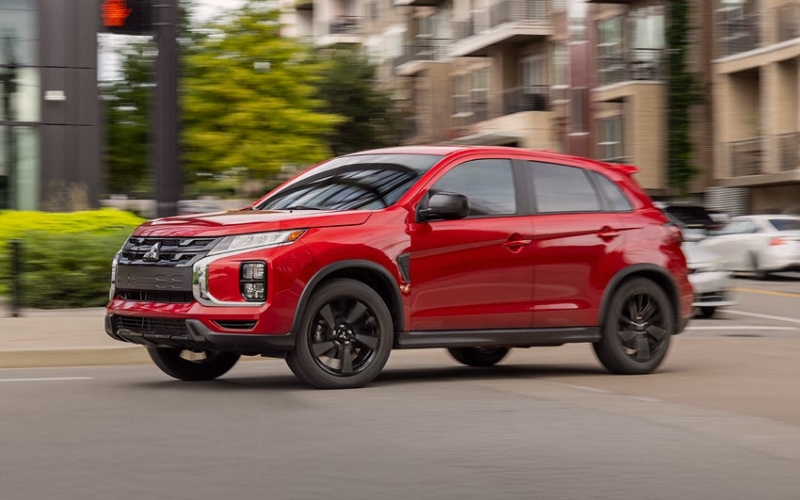
Cornerstone Mitsubishi - Mitsubishi SUVs vs Subaru for Snowbelt Commutes and Weekend Getaways near Lowell, MA
New England driving asks a lot from a small SUV or crossover, especially around Lowell where weekday commutes on I-495 and the Lowell Connector quickly turn into snowy backroads to Dracut, Chelmsford, or the Nashoba Valley on weekends. At Cornerstone Mitsubishi, we talk with shoppers who are comparing Mitsubishi to Subaru for this exact mix of needs. Both brands lean into all-weather confidence, yet the way each brand approaches traction, efficiency, cabin flexibility, and long-term peace of mind can feel very different in daily life. Below, we outline how Mitsubishi’s lineup — including Outlander, Outlander PHEV, Eclipse Cross, and Outlander Sport — stacks up against popular Subaru choices such as Forester, Crosstrek, and Outback, with a focus on real-world Lowell driving.
Our angle is simple — year-round traction and smart versatility for Merrimack Valley living. From early-morning commutes when the canal bridges can glaze with black ice to tight neighborhood parking on the Acre’s narrower streets, Mitsubishi’s Super All-Wheel Control (S-AWC) technologies, thoughtful packaging, and unique plug-in hybrid capability create advantages you can feel through every season.
Start with traction, because winter arrives early and leaves late in Massachusetts. Mitsubishi S-AWC integrates yaw control and selective torque distribution with drive modes tailored for local conditions — Snow, Gravel, and Mud — so you get composed, predictable responses when slush piles at intersections or when plow lines leave uneven surfaces near curb cuts. Eclipse Cross and Outlander leverage S-AWC to actively manage cornering and launch stability, which is especially helpful merging onto Route 3 ramps that can stay slick beneath overpasses. Subaru’s Symmetrical All-Wheel Drive has a strong reputation for balanced power delivery, and Subaru models with X-MODE add terrain-optimized programming. The difference many Lowell drivers notice during back-to-back test drives is how S-AWC communicates grip at the steering wheel and allows confident throttle application on mixed-traction surfaces without a lot of mid-corner correction.
Next, consider space and seating. Outlander offers a third row — unusual in the compact crossover class — making it a flexible option for carpool duty to UMass Lowell or weekend trips when extra seats help. Subaru provides three rows in Ascent, which steps up in size. Families who want the easy-to-park footprint of a compact SUV but still want occasional seven-passenger flexibility appreciate how Outlander bridges that gap. Eclipse Cross and Outlander Sport serve drivers who want a tidy exterior for downtown Lowell parking garages with good outward visibility for threading through school zones and rotaries.
Efficiency is increasingly part of the all-weather conversation here. Many Merrimack Valley commuters have short round-trips or mixed errands across Tewksbury, Billerica, and Andover. Outlander Plug-in Hybrid (Outlander PHEV) stands out with all-electric driving for daily miles, seamless hybrid operation for longer routes, and available DC fast-charging capability — rare among plug-in hybrid SUVs. That matters if a Level 2 charger is not always available at an apartment or workplace; a quick top-up during a grocery stop can make most weekday driving gasoline-free without changing weekend habits. Subaru focuses on traditional gas powertrains and mild electrification in select models, so shoppers prioritizing near-silent winter starts and reduced cold-idle time often gravitate to Outlander PHEV after a test loop through the Lowell Highlands.
Safety and driver assistance features show a similar divergence in philosophy. Mitsubishi vehicles offer MI-PILOT Assist on select models, combining Adaptive Cruise Control with Stop & Go and Lane Keep Assist for smoother I-495 traffic waves. Subaru’s EyeSight Driver Assist Technology is widely available and well regarded for steady lane centering and pre-collision support. In practice, both systems work to reduce fatigue on long slushy commutes; the distinction is in tuning. Mitsubishi systems pair naturally with S-AWC’s traction logic so you get calm, progressive inputs when lane lines are obscured by salt residue and snow mist. That integrated feel matters during stormy nights crossing the Rourke Bridge or when wind pushes drifting snow along River Road.
Cabin usability can make or break the winter experience. Mitsubishi emphasizes simple, glove-friendly controls, clear climate knobs, and intuitive drive mode access — very helpful when you are wearing winter gear and would rather keep eyes on the Merrimack Valley’s uneven, pothole-prone pavement. Subaru interiors are straightforward as well, though the larger screen interfaces in some models centralize more functions behind menus. Small touches in Mitsubishi — like available heated steering wheels, heated rear seats on select trims, and easily reached rear latches — simplify life when you are loading hockey gear in a windy Tsongas Center lot.
Durability and ownership confidence are part of why Mitsubishi performs so well for our Lowell customers. Massachusetts roads challenge suspensions with frost heaves and patched asphalt; Mitsubishi tuning favors a settled ride that resists bounding over expansion joints on the Lowell Connector. Add Mitsubishi’s 10-year/100,000-mile Powertrain Limited Warranty for original owners, and the long-term plan becomes clear for shoppers who keep vehicles beyond the first few winters. Subaru backs models with a competitive warranty as well; many buyers, however, appreciate the extended Mitsubishi coverage when planning for multiple school years and daily coaching runs across town.
Because many shoppers ask for a quick side-by-side, here is a concise view of how the brands differ for Lowell drivers. Use this snapshot to frame your test drive checklist.
- All-weather traction: Mitsubishi S-AWC emphasizes proactive torque control with Snow, Gravel, and Mud modes; Subaru Symmetrical All-Wheel Drive delivers balanced grip with available X-MODE for low-traction scenarios.
- Winter road feel: Mitsubishi tuning provides confident steering feedback and composed acceleration on mixed-traction surfaces; Subaru prioritizes predictable, centered tracking in steady-state conditions.
- Everyday flexibility: Outlander offers an available third row in a compact footprint; similar Subaru seating capacity typically requires stepping up to a larger model.
- Electrified options: Outlander PHEV enables daily all-electric driving with available DC fast charging; Subaru lineups focus primarily on gasoline powertrains.
- Cabin controls: Mitsubishi highlights glove-friendly knobs and direct-access drive modes; Subaru integrates many functions on central touch displays in select models.
- Long-term assurance: Mitsubishi includes a 10-year/100,000-mile Powertrain Limited Warranty for original owners; Subaru provides a shorter powertrain coverage period.
Real-world Lowell test routes tell the story best. We suggest a loop that mixes the Lowell Connector’s on-ramps, a stretch of I-495 traffic, and neighborhood streets near the Canal District. In Mitsubishi SUVs, explore S-AWC modes as plows leave slushy berms along lane edges, then check cabin quiet as wind gusts funnel around the textile mill buildings. If Outlander PHEV is on your list, begin in EV driving around downtown, head up to Chelmsford on hybrid power, and notice how the system recharges on longer descents. Subaru shoppers can mirror the same loop to compare throttle response, stability over patched pavement, and visibility at angled intersections along Merrimack Street.
Service and support matter just as much as the initial drive. Our team at Cornerstone Mitsubishi in nearby Wilmington understands New England maintenance rhythms — tire rotations aligned to snow tire changeovers, brake inspections timed to salt-heavy months, and battery system checks heading into deep cold. We stock Mitsubishi Genuine Parts designed for precise fit, and our technicians are trained on S-AWC systems and high-voltage components in Outlander PHEV. That combination helps keep traction systems responsive and quiet, even after a few winters of freeze-thaw cycles along Route 38 into Lowell.
If you are early in research, here is a practical way to match a Mitsubishi to your routines. Think through your most common drives and weather pain points: do you battle unplowed side streets before dawn, regularly carpool with six or seven people, or want to slash fuel stops on short weekday trips? Mitsubishi’s portfolio gives you levers to pull — advanced S-AWC for confident traction, a compact third row without upsizing, and a plug-in hybrid that handles snow days with electric torque and without charging anxiety.
When you are ready, our team will set up back-to-back drives and talk through features in plain language so you get a clear feel for what matters during a Lowell winter. Bring your routes, bring your questions, and bring your gear — we will load it up, climb a few hills, and find out together which Mitsubishi fits your life.
Below are a few common questions we hear from shoppers comparing Mitsubishi and Subaru for life near Lowell.
How does Mitsubishi S-AWC help on Lowell’s slushy side streets?
S-AWC can send power to the wheels with the most grip and apply selective braking to help the vehicle track where you point it. Snow and Gravel modes adjust throttle and stability programming so takeoffs feel controlled, even when you are pulling away from plow berms or patchy ice near curb lines.
Is Outlander PHEV practical if I live in an apartment near Downtown Lowell?
Yes. Outlander PHEV can charge on a standard household outlet or a Level 2 charger, and it offers DC fast charging for quick top-ups when public stations are more convenient. Even without daily home charging, the hybrid system manages energy intelligently so you get smooth, efficient driving in winter and summer.
Do Mitsubishi SUVs have the ground clearance I need for New England storms?
Mitsubishi SUVs provide useful ground clearance and front-end approach angles for rutted, plowed roads and driveway piles. For most storms that are already being cleared by city crews, traction programming in S-AWC contributes more to confident progress than an extra fraction of an inch in ride height.
How do Mitsubishi driver assists compare to Subaru EyeSight on I-495?
Both brands provide helpful features like Adaptive Cruise Control and Lane Keep Assist. Mitsubishi’s MI-PILOT Assist integrates smoothly with S-AWC to maintain calm, progressive adjustments when visibility drops and lane markings fade, which can reduce fatigue during longer commutes.
Why choose Cornerstone Mitsubishi for service after the sale?
Our service team understands regional driving and seasonal wear, and we are trained on Mitsubishi systems — including S-AWC calibrations and Outlander PHEV high-voltage components. We use Mitsubishi Genuine Parts and schedule maintenance around New England conditions to help keep your SUV quiet, confident, and ready every morning.
If your daily life around Lowell calls for traction you can trust, space that adapts without upsizing, and technology that makes winter simpler, Mitsubishi belongs at the top of your shortlist. Visit us at Cornerstone Mitsubishi in Wilmington to experience S-AWC and, if you are curious about electrification, take Outlander PHEV on your real commute route — the right test drive near Lowell answers everything quickly.